


In today’s digital age, home computer security is a growing concern for individuals and families. Our devices and Internet connections are becoming more integrated into our daily lives, from work and entertainment to shopping and communication. To stay safe in this digital world, it is essential to take proactive measures to protect our personal information and devices.
Computer security in your home is essential, since in your home, you store a large amount of personal information on your electronic devices, from bank details and passwords to photographs and important documents. Loss or unauthorized access to this information can be devastating.
Therefore, the first measure should be to have backup copies of all your most important data. Many times we are not aware of the large amount of personal data we generate, photos, own documents, copies of digitized documents, spreadsheets, graphs.
These backup copies must be made periodically and if possible on devices external to the computer and in alternating order, for example, a weekly copy will be made, the first to an external hard drive, and the following week to another hard drive. external different from the previous one.
In some cases, it is interesting to include in these copies a copy of our email, since it may always be necessary to consult a communication or email sent by a company, family member or friend.
Although it may seem redundant to make backup copies on different devices, we must remember that at the end of the day they are technological devices, which can fail at any time, even caused by little use.
It is also appropriate to have backup copies in the cloud; today there are different options on the market for this, and you can even have the content distributed in different clouds or cloud platforms.
Moreover, with so many devices connected to the Internet, such as security cameras and voice devices, privacy has become a major concern. Home IT security helps protect your privacy from unwanted intrusions.
Blocking application access to devices such as cameras and microphones is a great security measure. It must be remembered that today there are companies with which contracts are made by voice, whose authenticity is verified with the conversation recorded by the company, then a recording of certain words with our voice can give a third party the possibility to justify an unauthorized bank charge for a service contract, or purchase that we have not actually made.
Likewise, there are a large number of platforms and networks in which images and videos make up the vast majority of their content. Misuse of our image can generate a serious problem in our environment, as well as the information that is transmitted through these images. can be obtained easily.
Many times we are not aware of the amount of sensitive information that we are providing about ourselves through a photo that at first may seem banal to us, in them we can show our economic level, our loved ones, our home, address, all of it. , which can be used for purposes dangerous to us by a malicious third party.
It is important to know that cybercriminals can use your personal information to commit fraud and steal your identity. Online security helps prevent these types of crimes. Routers are the gateway to your home network, so they must be configured with all possible security measures, establishing filters and routing rules that make access difficult for cybercriminals
Therefore, it is important to have secure passwords on our WIFI, use double authentication systems on the most used and sensitive platforms, such as banking and social networks.
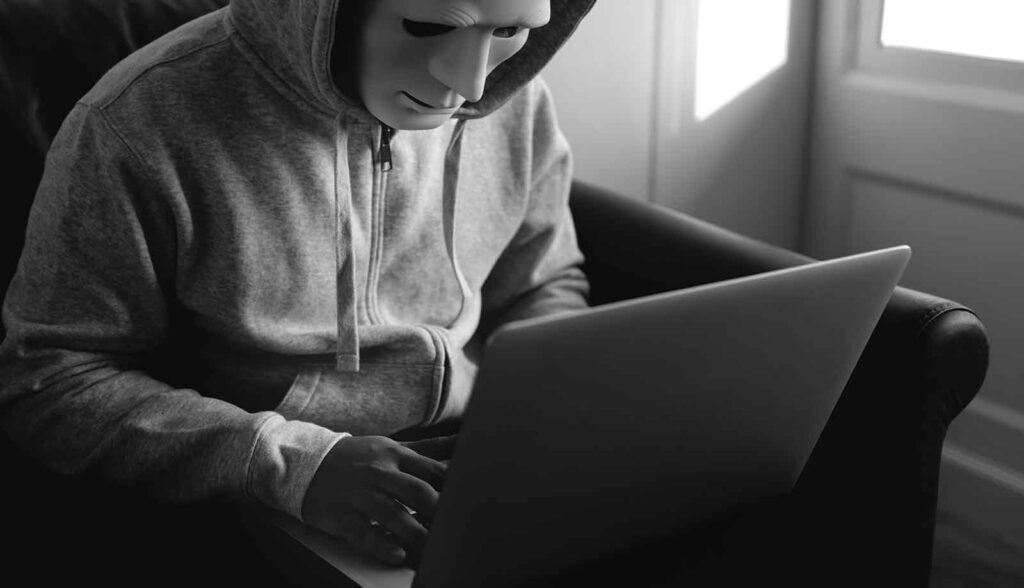
Malware is malicious software that is used to damage or control a computing device and can spread through a variety of means, such as emails, attachments, downloads, and malicious websites, types The best known are viruses, Trojans, Ransomware, Adware and Spyware, which can cause everything from data loss to identity theft. The best way to stop malware is to have a protected and updated system.
In general, some of these measures can be adopted not only on personal computers, but they can and should also be applied on other devices such as laptops, tables, and even mobile phones. In these latest devices, in the most advanced models, the so-called smartphones, it is possible to configure which phone devices we allow to access each installed application and when.
Some security measures that you can adopt to protect your safe digital space may be:
- The use of secure passwords is the first barrier against cybercriminals, using complex and long passwords with letters, numbers and signs makes unauthorized access difficult.
- Keeping devices up to date helps protect your systems against threats
- Having an antivirus and activating the Firewall on your computer protects against external threats.
- But the most important thing is to be careful with the emails, links and documents that you download or follow from your computer, as they can hide unpleasant surprises such as viruses or Trojans, so you must be suspicious of any suspicious or unwanted email, deleting it as soon as possible. .
In addition to all of the above, it is necessary to be very careful and pay attention to all the messages that sometimes reach us through our networks or emails, requesting bank details, addresses, or personal data of any kind, as well as those in which that are supposedly sent by family or friends.
In the first case, we must remember that we should never, ever, ever give any type of banking information by telephone, social network or email to a third party, unless we are completely sure of who is really going to be the recipient of said information. data. A very common practice is to send emails on behalf of prestigious companies, with which we may have some contractual relationship, requesting confirmation or updating of our data. In these cases, it is completely necessary to correctly verify the email address from which they are sending us the email, since many times they are fraudulent addresses that try to grant themselves ownership of the company for their criminal purposes.
If necessary, it would even be advisable to verify with the company the completion of these requests, if there is the slightest doubt.
Likewise, when receiving requests for data or money from a supposed acquaintance or family member, act calmly, call said acquaintance or family member and really verify their need, before taking any other action.
Computer security at home is essential to protect your data, your privacy and your identity in an increasingly interconnected digital world. Take proactive measures, such as
Keeping your devices up to date, using strong passwords, and educating your family about online safety will help you safely navigate cyberspace and enjoy the convenience of technology without compromising your security.