


The Tunnel is an Argentine short novel written by Ernesto Sábato in 1948, which has become a literary classic in Latin America. This fascinating work has won the hearts of many readers for its intense plot and complex characters.
Juan Pablo Castel, main character and narrator, tells from the psychiatric hospital the reasons that led him to commit a murder against his lover María Iribarne. Castel is a solitary and isolated painter, who feels like a superior being, a misunderstood genius. When he meets María, he believes he has found in her a kindred soul who understands him and her thoughts. However, he soon discovers that he is not like that and feels seriously hurt by his psychological disorders that overwhelm him.
Castel begins to become obsessed with María and see her as her only way out. When he discovers that María is married and that she has a relationship with another man, her obsession turns into delirium and he decides to murder her.
Throughout the story, Juan Pablo faces a series of challenges that lead him to explore his own identity and question his own motivations. The plot of the novel is intense and exciting, making it difficult to put down once you start reading.
The narrator, Juan Pablo Castel, tells the story from his point of view, but he does so from prison. This creates an effect of tension and suspense that keeps the reader in suspense.
The protagonist is an interesting, complex and contradictory man, who takes us on an exciting journey as he struggles to find his place in the world. He is a genius, but also a psychopath, and his obsession with Maria leads him to commit a terrible act, but it also makes him a tragic character.
Supporting characters, such as María Iribarne, the woman Juan Pablo is obsessed with, and Juan Pablo’s friend, add additional layers to the plot.
The narrative style of The Tunnel is one of its most notable characteristics. The novel is narrated in the first person by Juan Pablo Castel, the protagonist and murderer of María Iribarne. Castel’s style is direct and concise, but it is also lyrical and expressive. Castel uses simple, everyday language, which helps create an effect of realism, but he also uses metaphors and symbols to express his thoughts and feelings.
Castel’s narration is subjective and partial. He is the sole narrator of the story, and his opinions and beliefs influence the way he tells the story. The narrative style of The Tunnel is a key element of the novel. It helps create a realistic and complex portrait of the protagonist, and also contributes to creating an effect of tension and suspense.
Throughout the novel, Sábato creates characters that are realistic and human, which makes the story feel more engaging and interesting.
The tunnel is a psychological novel that explores the themes of obsession, love, madness and death, which has been very well received by critics and the public. It is a masterpiece of Argentine literature that has been translated into more than 30 languages and has sold more than 3 million copies worldwide. The novel has been adapted to film twice, in 1952 and 1990.
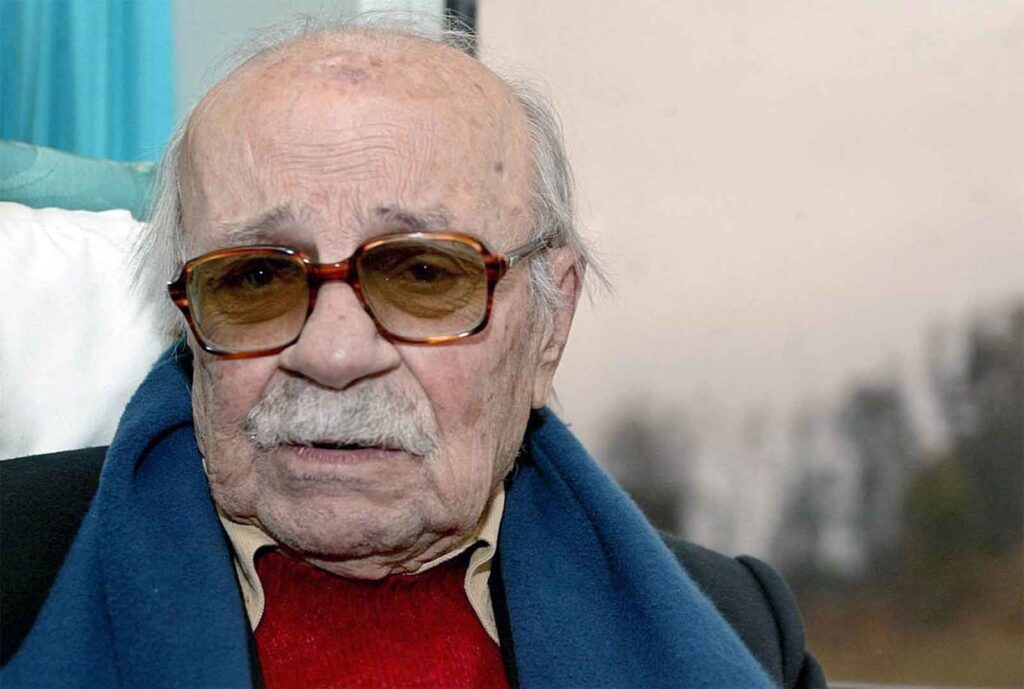
El Tunel is the first novel by the author, Ernesto Sábato, it was published in 1948 and became an immediate success. In 1961, Sábato published his second novel, Sobre heroes y tumbas, a monumental work of more than 800 pages, which tells the story of two young Argentines during the 1930s, and in 1994, he published his third novel, Abaddón el exterminador, a experimental work, which explores the themes of evil, destruction and hope.
Sábato was also a prominent essayist and journalist. His essays, which address topics such as politics, religion, and philosophy, are known for their depth and commitment to social justice.
In 1984, Sábato was awarded the Cervantes Prize, the most important Spanish-speaking literary award.