



The decisions that will determine
the future of the next generations
and the future of the human being
The twenty-eighth edition of the United Nations Climate Change Conference (COP28) was held in the United Arab Emirates, between November 30 and December 12.
More than one hundred and thirty countries have participated in this edition and more than 5,000 journalists from all over the world have participated, together forming a delegation of more than 70,000 people.
COP28 has based its program on four main axes: accelerating the energy transition, financing climate action, putting the focus on people, animals and plants, as well as their livelihoods and achieve a more inclusive COP.
Thus, the countries represented have debated intensely to reach agreements that will allow tripling the energy generation capacity through renewable means in 2030, reducing methane emissions and the use of fossil fuels and doubling energy efficiency and electrification.
Scientists from around the world endorse the need to reduce the consumption of fossil fuels as soon as possible, and invest in increasing the generation of renewable energy through increased efforts and research, focused on energy production through wind, solar, hydraulic and geothermal technologies before 2030, with the aim of reorienting all sectors of the economy towards low-carbon development.
In the report on the 2023 Emissions Gap, carried out by the United Nations Environment Program, published in November of this year, it is stated that although significant progress has been made since the signing of the Paris Agreement in 2015, we are still far from complying with what is necessary to maintain the path of the 2º set in said agreement, having to reduce emissions by 28% of greenhouse gases before 2030, to meet the first stipulated objective.
The year 2023, in line with 2022, a bad example of what we should do
In 2023, global temperatures and greenhouse gas emissions reached historic highs, placing the world, if it continues with the same trend, closer to the 3º increase than the initially set goal.
In the period between the months of January and October 2023, 86 days were recorded with temperatures 1.5º higher than pre-industrial levels, with September being the hottest month in history with an increase of 1.8º with respect to the values. preindustrial. Furthermore, during 2022 gas emissions into the atmosphere increased by 1.2% compared to the previous year, exceeding 57 gigatons of carbon dioxide.
The increase in the use of fossil fuels, as well as the unsustainable use of energy and land, has caused an increase in the intensity and frequency of extreme weather events, affecting ecosystems and human health, with an estimated 3.6 billion highly vulnerable to the effects of climate change.

In 2019, experts had already warned
In 2018, in a special report titled “Climate Change and the Earth” published by the Intergovernmental Group of Experts on Climate Change (IPCC), they already warned of the speed and scope of the measures to be adopted to limit the increase in temperatures to 1.5º, being necessary to reduce the emission of polluting gases by 45% by 2030 and by 100% in 2050, to achieve the desired objective.
The effects of increases in temperature are seen in all countries of the world, droughts, floods, heat waves and fires, increasingly numerous and virulent models of climate behavior will be in the next decade and the rest of this century if adequate measures are not taken to alleviate a phenomenon that can no longer be stopped.
In future scenarios, torrential rains will go from occurring once every ten years to doubling, and heat waves that occur on average once every ten years will tend to increase fivefold, affecting economic activity, food, and availability and access. the water.
2023 will be a real launch?
Well, in the end after days of intense debates, COP28 has reached an agreement to reduce the use of fossil fuels until reaching net zero, establishing the objective of tripling renewable energies and doubling energy efficiency by 2030, and has mobilized more than $85 billion in financing for climate action, achieved an agreement on Loss and Damage and promoted the Global Adaptation Goal (GGA).
The “Consensus of the United Arab Emirates (UAE)” document, as the historic agreement reached at COP28 is called, meets the central objectives of the Paris Agreement and provides the most ambitious response to date in the fight against change climate. Dr Sultan Al Jaber, president of COP28, said that “it is a balanced plan that addresses emissions, closes the adaptation gap, reimagines global finance and covers loss and damage” and added that the Consensus of the UAE “It is built on common ground, strengthened by inclusion and reinforced by collaboration. “It is a historic enhanced and balanced package to accelerate climate action.”
COP28 has also managed to take a big step, and has generated great expectations for the next round of Nationally Determined Contributions (NDC), has promoted the agenda of reforms of the financial architecture, has requested the expansion of credit and financing systems, has obtained commitments worth more than 3.5 billion dollars to replenish the resources of the Green Climate Fund, all proposals are widely supported by the participating countries.
But in addition, the COP28 presidency through its “Action Agenda” has managed to mobilize 30 billion United Arab States dollars through the ALTERRA financial instrument, the incorporation of sustainable agriculture and food systems in the response to the climate change, the commitment to accelerate the development of climate-resilient health systems, the GDA (Global Decarbonization Accelerator) project that includes initiatives in the public and private sectors to accelerate the energy transition, advance the incorporation of subnational leaders in the decision-making and the reception of the Global Youth Declaration on Climate Change, which includes the main demands of children and young people from more than 160 countries in the world.
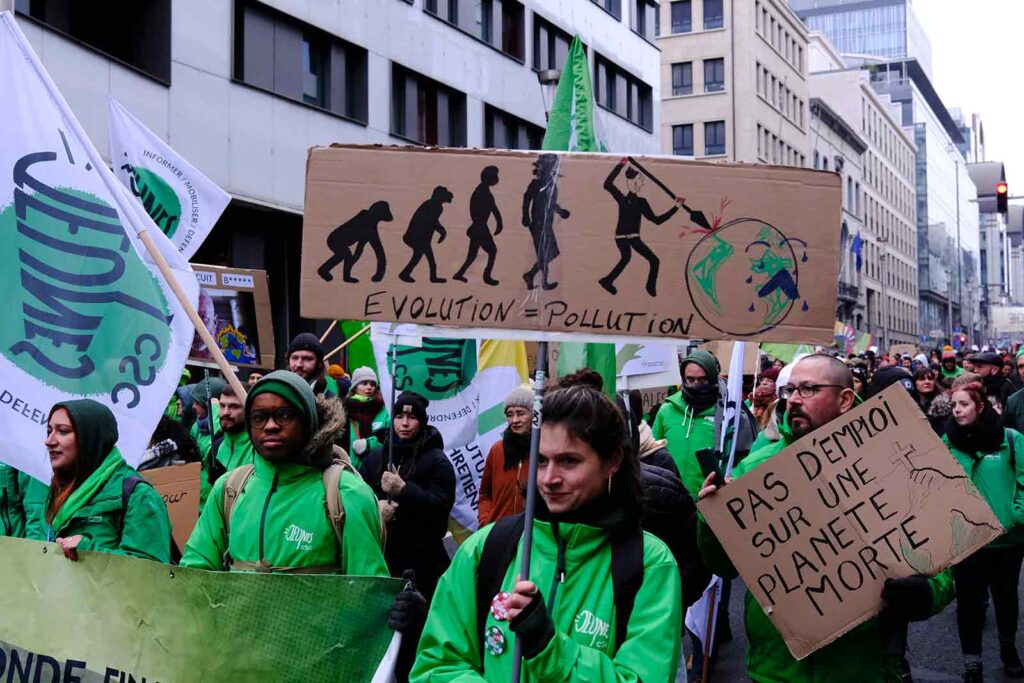
However, despite all these measures, civil society representatives, climate activists and representatives of small island developing countries were dissatisfied with the result, including Harkeet Singh. to the International Climate Action Network, told UN News that “after decades of evasion, they have finally focused on fossil fuels.”
The next edition to be held in Azerbaijan, COP29, will witness the changes produced in application of the agreements adopted, and will continue working to, in line with the agenda set out by the United Arab Emirates, build a global energy transition procedure pragmatic, based on the “leave no one behind” approach.