


Legumes are the ingredient that should not be missing in any diet; they constitute a food group that includes beans, lentils, peas and chickpeas. They are very nutritious and healthy foods, and consuming them regularly has been shown to have many health benefits.
Legumes are a very important source of nutrition and have many health benefits, they are an excellent option for those looking to lose weight.
Legumes are rich in fiber and protein, which helps keep you full for longer and reduces appetite. They are also low in fat and do not contain cholesterol.
According to the Food and Agriculture Organization of the United Nations (FAO), legumes are an excellent source of protein, vegetables, iron, calcium, magnesium, zinc and potassium, and eating legumes helps prevent diseases such as cancer, diabetes and cardiovascular diseases.
Legumes are an excellent alternative to meat, since they are a complete source of protein, that is, they contain all the essential amino acids that the body needs.
Legumes are also a good source of fiber, which is important for digestive health. Fiber helps regulate intestinal transit and prevent constipation.
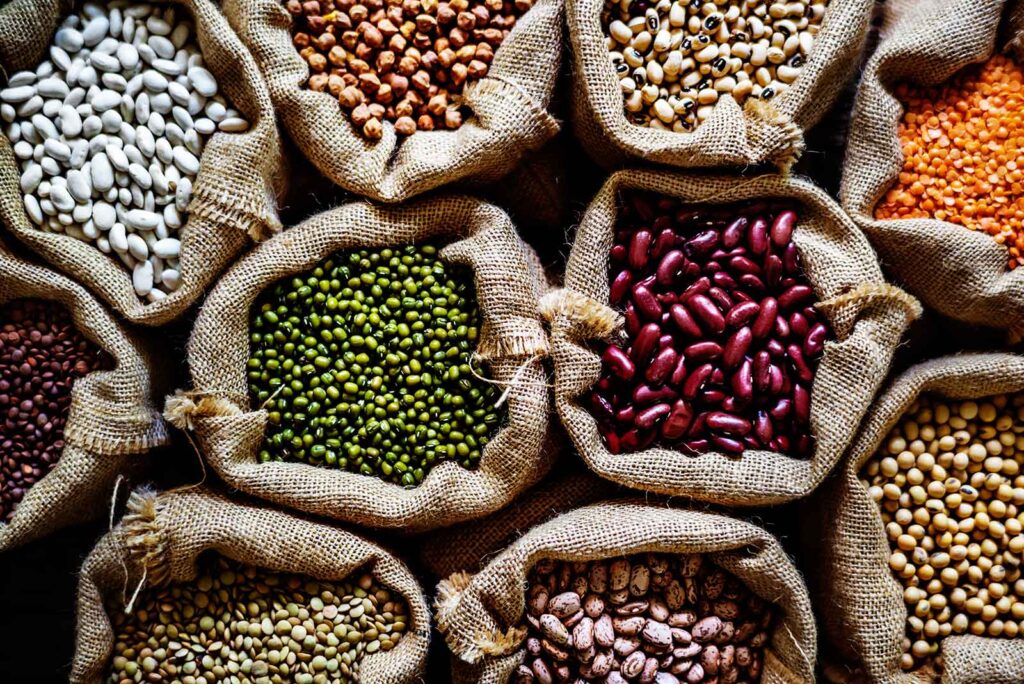
Regular consumption of legumes has been associated with a series of health benefits, including helping to reduce LDL cholesterol, the “bad” cholesterol, and increasing HDL cholesterol, the “good” cholesterol, which helps protect the heart from diseases such as atherosclerosis. They also help stabilize blood sugar levels, which can help prevent type 2 diabetes, they are a satiating food, which means they help you feel fuller for longer, helping to control weight and reduce the risk of obesity, are a good source of fiber, which is important for digestive health, favoring the regulation of intestinal transit and preventing constipation. Likewise, the regular consumption of legumes has been associated with a reduction in the risk of certain types of cancer, such as colon cancer, breast cancer and prostate cancer.
In addition, legumes help in the production of red blood cells, and allow us to combat anemia.
Legumes are a versatile food that can be prepared in many different ways. They can be eaten alone, as a side dish or as a main dish. They can also be used in soups, stews, salads and ethnic dishes.
Legumes are a healthy and nutritious food that can be enjoyed in many different ways. Including them in your regular diet can help improve overall health and well-being.
However, some people should be careful, since legumes contain oligosaccharides, a type of carbohydrate that the body cannot digest, mainly producing gas, bloating and stomach pain. In some people, hives and itching may also occur as symptoms of an allergic reaction. These effects can be reduced by soaking them the night before cooking, cooking them for a long period of time, and combining them with other foods rich in fiber, such as cereals.
Legumes are easy to grow and do not require large amounts of water or land to grow, and can be grown at home with some ease. Legumes prefer well-drained, fertile soils that facilitate root growth. They can be planted directly in the ground or in pots at a depth of 2.5 cm, leaving a distance of more than 15 cm between them, and must be watered regularly, being harvested when the pods are ripe and dry.