


Colors have a profound impact on our lives and emotions. In the family home environment, the power of colors, by choosing the right color palette can make all the difference in creating a welcoming, relaxing or stimulating environment.
When we select a certain color to paint a room in our house, or a specific wall in the living room, we are making a mental decision, and in some way we are setting the atmosphere of said room.
The colors of a room can promote different moods in people, and influence our emotions and behaviors. Selecting the right colors can generate feelings of harmony and tranquility.
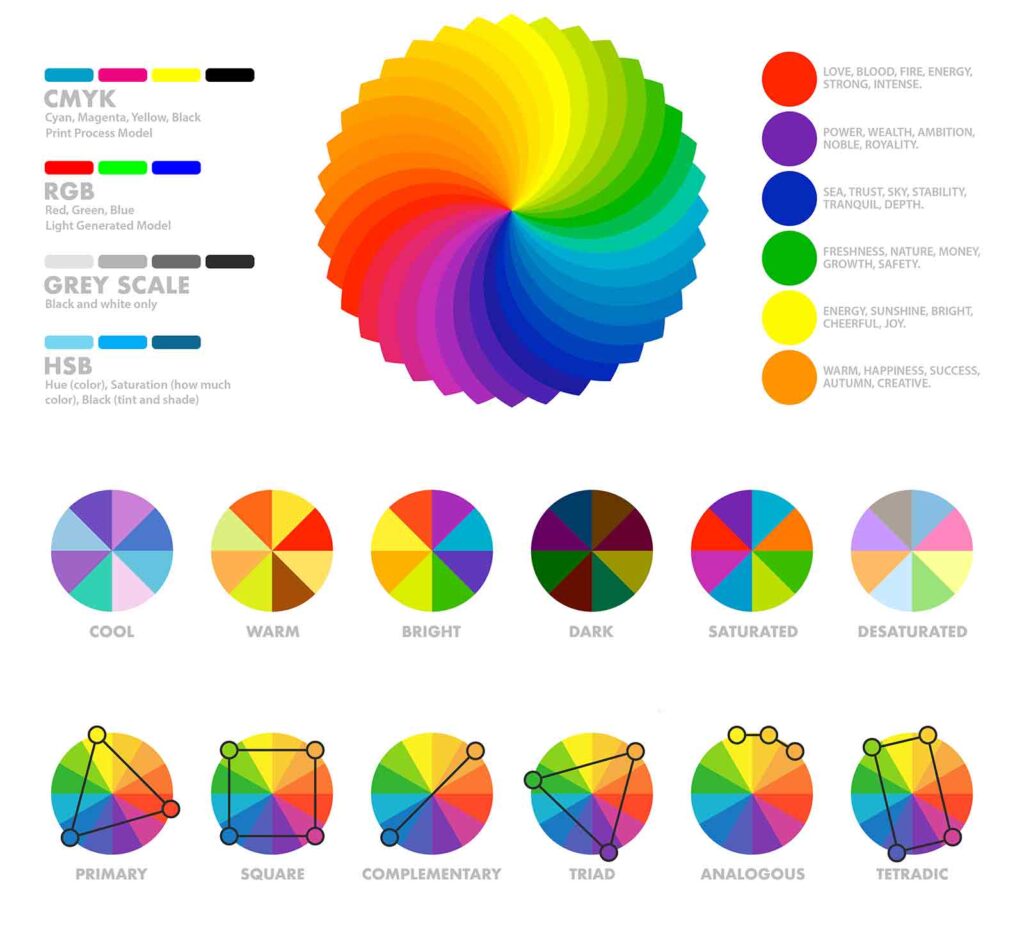
Therefore, Before selecting colors for your home, it is important to understand how they affect emotions and mood. Thus, different colors could motivate us in different ways, being associated with different moods and feelings or sensations;
- Blue is associated with calm and serenity. It is ideal for areas where you want to promote relaxation, such as bedrooms and living rooms.
- Red is an energetic color that can increase vitality and passion. However, it can also be overpowering, so it’s best to use it in small doses, such as in accessories or in areas of social activity.
- Green is related to nature and renewal. It is an excellent choice for spaces where you seek to promote tranquility and harmony, such as reading areas or study rooms.
- Yellow is a happy and stimulating color that can increase energy and creativity. It is ideal for kitchens and dining rooms, where conversation and vitality are encouraged.
- White is a neutral color that conveys cleanliness and simplicity. It can be used in any room to expand the space and give a feeling of purity.
The position and order of the colors, as well as their intensity, can provide very different results, however, the use of different techniques such as monochrome or triad can yield very good results. combinations.
Monochrome is based on the use of different shades of the same color, with the lighter one being dominant, and the darker ones being used to highlight certain areas or specific areas of the house, and can be combined with details in an intense color.
The Triad, on the other hand, consists of the use of three colors of the chromatic circle, selected by means of a triangle superimposed on it, selecting the colors located at each vertex.
Although it is also possible to use other techniques, such as the use of complementary or analogous colors.
In any case, when choosing a color palette for your family home, it is advisable to consider the following factors:
Think about how your family uses each space. The needs of an active family may differ from those of a quieter family. The colors must adapt to the activities carried out in each room.
The amount of natural light in a room will affect how colors are perceived. Warm colors can make a dimly lit room feel cozier, while cool colors can make a sunny room feel cooler.
Colors can influence the perception of space. Light colors tend to make a room feel larger, while dark colors can make it feel cozier.
The color palette of your home should reflect the tastes and preferences of your family. Consider the colors that make you feel most comfortable and happy.

Once you have selected a color palette, you must take into account a series of other factors, since in addition to the walls, there are many elements that can offer color to each room.
You can paint the walls with the main colors of your palette, leaving the ceilings white or light colors to increase the feeling of height, and make it seem more spacious.
It is also advisable to use furniture and decorative objects in complementary colors to accentuate the main palette. Throw pillows, curtains, rugs, and artwork are great ways to incorporate additional colors.
You can play with dark colors on a wall or certain furniture to highlight specific elements, playing with contrast to achieve depth and dynamism in certain spaces.
Proper lighting is essential, using warm and cold lights as necessary can be useful to highlight colors and create different atmospheres in the same room.
However, when you don’t want to commit to a specific color, use temporary accessories such as cushions, blankets and vases to experiment with colors before making permanent changes.
In any case, to maintain a sense of coherence throughout the house, it is important that the colors flow from room to room.
To achieve this, you can use a main color palette, choose a set of main colors that are repeated in several rooms.
Or you can also use neutral colors as a base, such as white, beige or gray, which can be the base in all rooms, which can then be accentuated with other more intense colors.< /p>
A tour of the house will help you verify the visual coordination of the colors of different rooms as you move from one room to another, even if they are not identical.
Sometimes, to create a pleasant visual flow it is possible to use colors that relate to each other in the color spectrum, for example using colors such as yellow and orange in various shades or with different intensities.
The use of colors in the family home can have a significant impact on the mood, atmosphere and functionality of each space. By understanding the psychology of colors and following a few simple guidelines, you can create a home that reflects your family’s personality and promotes a welcoming, harmonious environment. Choosing colors is not only a matter of aesthetics, but also of emotional well-being in the place where you and your family spend most of your time.