



Drought, a natural phenomenon characterized by a lack of precipitation, has marked the history of the Earth since its beginnings. This silent ghost has impacted civilizations throughout the centuries, leaving in its wake famine, disease, war, and the collapse of empires.
Scientists have found evidence of large periods of drought throughout history, the following being some of the most relevant;
- Mesopotamia and Egypt (2200 BC): A fierce drought weakened the Akkadian empire, while in Egypt, the low level of the Nile contributed to the collapse of the Old Kingdom.
- Mayan Empire (9th century AD): Prolonged droughts, along with other factors, caused the abandonment of large Mayan cities.
Droughts are an atmospheric phenomenon that have persisted throughout the history of humanity, thus in more recent history there have been large periods, such as those that occurred between the years 1315 and 1317 in Europe, where dry and hot summers caused the loss of crops, the appearance of diseases that decimated livestock, reducing the availability of meat, milk and their derivatives, and causing hunger and malnutrition that caused the loss of millions of lives, especially affecting the elderly. and children, and generating social instability and economic crisis.
As in Europe, in 1930 the so-called Dust Bowl occurred in the United States, one of the worst droughts in the country’s history, hitting the central prairies, causing dust storms, which had an impact deep into ecology, agriculture and the lives of thousands of people. Caused by a prolonged drought, the increase in monocultures and the elimination of natural grasslands, caused soil erosion, the destruction of crops and livestock, massive migrations of thousands of people who were forced to abandon their homes and the appearance of respiratory diseases.
However, droughts have continued to occur to this day, standing out among the most recent;
The Ethiopian famine of 1984-1985: One of the most severe and devastating famines in history, caused by a prolonged drought, in which an estimated 750,000 and 1 million people died from hunger or malnutrition-related diseases during this period as a result of a prolonged drought, which, together with civil war and failed government policies, contributed to it.
The lack of water storage and transportation infrastructure, as well as soil degradation due to deforestation and overgrazing increased the negative consequences of drought and access to food.
Images of the consequences of the Ethiopian famine shocked the world and generated an unprecedented international response, organizing humanitarian aid campaigns to send food and medical supplies and raising awareness about the need to address the causes of famine and poverty. .
The California drought of 2012-2016: One of the most severe droughts in the state’s history, with significant economic and environmental impacts, was caused by low rainfall and the increase in temperatures. The lack of snowfall during the winters prior to the drought significantly reduced the amount of water available in the state’s reservoirs.
The shortage of drinking water caused by the drought generated restrictions on the use of water and the implementation of saving measures, it also significantly affected agricultural production, which generated economic losses for farmers and an increase in the price of food, and increase motivated by dry and hot conditions, the risk of forest fires, which caused the destruction of thousands of hectares of forest and the evacuation of thousands of people.
The 2021-2022 Horn of Africa drought: A devastating drought that has affected millions of people in Ethiopia, Kenya and Somalia, causing a serious crisis humanitarian. The lack of rain during a series of seasons significantly reduced the availability of water, which has been accentuated by the increase in temperatures derived from climate change, and conflicts in the region have hindered access to humanitarian aid and displaced millions. of people, making them more vulnerable to drought.
The scarcity of water in has caused enormous damage to agriculture and led to dehydration and death of livestock, generating hunger and malnutrition, especially among children and pregnant women. Faced with this situation, humanitarian aid campaigns have been organized to send food, water and medical supplies to the affected areas and measures to adapt to climate change have been increased, through the construction of water wells and the promotion of sustainable agriculture, since It is estimated that more than 20 million people are affected in some way by the drought.
The main consequences of droughts
Droughts, characterized by low rainfall, have a profound impact on various aspects of life on Earth. Some of the main consequences are:
The lack of precipitation in the form of rain and snowfall causes a reduction in water reserves and consequently a shortage of drinking water, which directly affects human health, putting hygiene and access to water for consumption at risk.
Likewise, drought reduces crop yields, which generates food shortages and affects food security; however, the lack of water also affects the functioning of industries that depend on this resource.
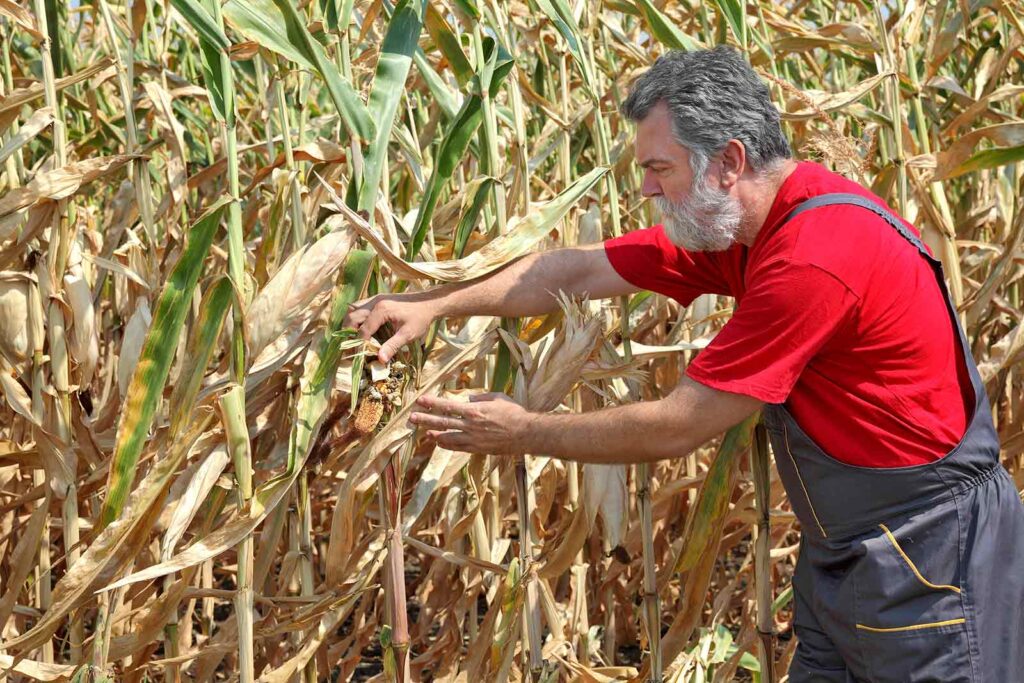
This phenomenon also has adverse effects on ecosystems and increases the deterioration of the environment, causing the loss of flora and fauna, the increase in desertification and the conversion of fertile lands into arid deserts, the increase of forest fires.
The lack of water significantly affects food producing sectors such as agriculture and livestock, causing a reduction in agricultural production and favoring the increase in food prices and famine.
In turn, water scarcity can force animals and people to migrate in search of water and land that is more favorable for life, producing large displacements and massive migrations, which favors the emergence of conflicts over water and land. in search of food.
Likewise, droughts encourage the appearance of diseases by affecting the hydration of people and animals, as well as making hygiene difficult and increasing malnutrition caused by food shortages derived from the consequences of lack of water.
In some situations, the lack of drinking water and hygiene, as well as the complications derived from it, can cause stress, anxiety and other psychological problems in the affected people.
Prevention of the consequences of droughts
The consequences of droughts are not inevitable. Measures can be taken to prevent them and mitigate their impacts, so that through the implementation of policies and practices related to the responsible use of water, they favor efficient management of its uses.
Also, through the development of appropriate infrastructure, water reserves can be increased and their use optimized, for example through the construction of reservoirs, the use of efficient irrigation systems and the creation and maintenance of water distribution and storage infrastructure.
Currently, through research and innovation it is also possible to search for new technologies for the production of drinking water, sustainable agriculture and adaptation to climate change, making it essential to educate the population about the importance of water and the need to protect this vital resource.
The fight against droughts is a global challenge that requires a joint effort from governments, companies, communities and citizens. Only through concerted action can we protect this vital resource and build a more resilient future.