


In order to support farmers and improve agricultural productivity, contribute to the fight against climate change, help conserve landscapes and rural areas, ensure a reasonable standard of living through measures that allowed the maintenance of rural life, and encouraged the creation of jobs and industries related to the agricultural environment. In 1962, the so-called Common Agricultural Policy (CAP) was created by the European Economic Community.
Currently it is estimated that in the European Union more than 20 million people regularly work in the agricultural sector, in more than 10 million farms that supply the citizens of the European Union with a wide variety of products such as vegetables, legumes or fruits.
Therefore, it is important to highlight that the European Union is one of the main producers and exporters of agri-food products in the world, highlighting mainly its high production of oats, rye, corn and wheat, as well as potatoes and legumes. At the same time, certain countries stand out for being the largest producers of products such as olive oil in Spain, wine in Italy, sunflower oil in Hungary or barley in France and Germany.
From the above, it is easily understandable the need to offer guidelines and procedures that allow the development and provision of appropriate tools and means to farmers so that they can develop and evolve, being necessary to carry out different actions that allow access to the machinery, fertilizers or fuels necessary for the development of their activities. Likewise, and as activities related to agriculture, it is necessary to have and develop industries that allow the preparation and transformation of food, its storage, transportation and distribution.
Spain is one of the largest agricultural producers within the European Union, with a sector that generates almost 10% of total employment, and that in 2019 obtained more than 6.5 billion euros from CAP funds for rural development, and activities and industries associated with the agri-food sector.
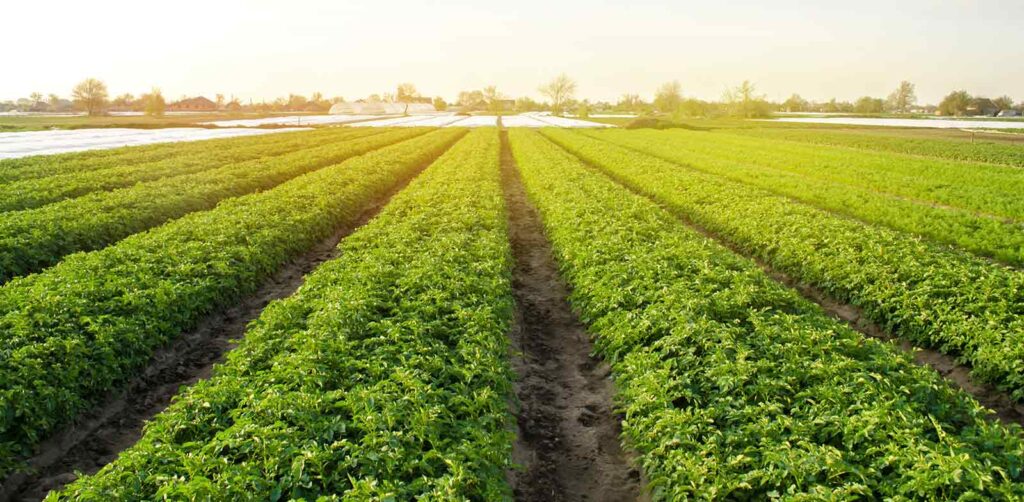
The Common Agricultural Policy (CAP) has evolved over the years, with the legislation currently in force having been drafted in 2021, offering greater flexibility to the member countries of the European Union to adopt measures in their areas of action, increase support for small farms and guarantee a sustainable future for European farmers, setting among its major objectives, protecting the environment, acting against climate change, protecting food quality, maintaining rural areas as dynamic areas, supporting generational change and guarantee a fair income for farmers.
Thus, within the “Farm to Fork” Strategy developed as strategies to be fulfilled in future years, the objective is established to make food ecosystems healthy and respectful of the environment, converting farms into sustainable crops, to To achieve this, measures have been established such as reducing the use of fertilizers by at least 20%, increasing organic farms by at least 25% and reducing antimicrobials used in farm animals by 50%. This new strategy aims to promote sustainable land use, avoid the loss of biodiversity, reduce the overexploitation of natural resources, pollution and the introduction of invasive species.
The CAP and the World Consumer Organization (WTO)
The European Union is a member of the WTO and, as the largest trading bloc in the world, one of its main protagonists, such that the European Commission represents and negotiates as a single entity on behalf of all countries members of the European Union, which supports the work of the WTO in the field of multilateral regulation and trade liberalization.
In the agreement adopted by the World Trade Organization in the Uruguay round in 1995, the bases were drawn up to achieve equitable market-oriented agricultural trade, through rules of international application by all its members, establishing among other measures related to quotas. tariffs and support measures for the sector.
The last Ministerial conference was held in June 2022, which ended with a declaration on the response to the food insecurity emergency and the announcement of measures that would allow for an exemption to food restrictions. export in case of food purchases for humanitarian purposes.
The EU is committed to the development of multilateralism and international cooperation for food security and development in the world, seeking a fair and transparent trading system for agricultural products that facilitates producers’ access to markets, competition and sustainable maintenance and protection of farmland.
Consequences of the CAP
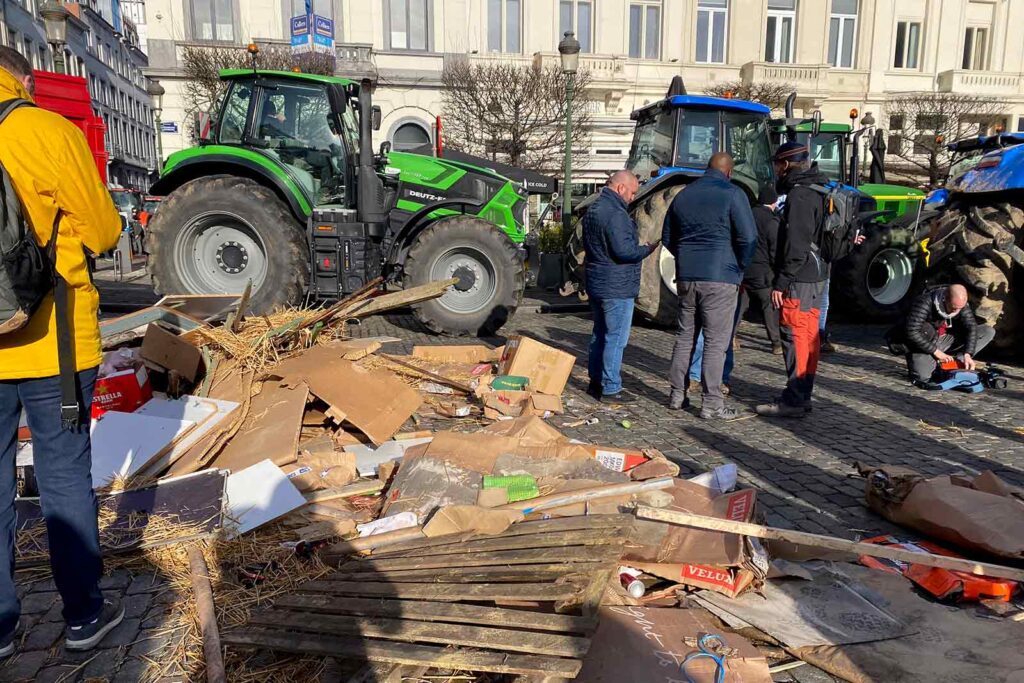
One year after the entry into force of the regulations established in the new regulatory formulation contained in the CAP reformed in 2021, European farmers, initially from France and later also from Spain and Portugal, have started protests demanding reciprocity in agricultural imports of food from countries outside the European Union in terms of compliance with the bureaucratic requirements established for them, as producers.
As a consequence of compliance with restrictive regulations on the use of pesticides, fertilizers and antimicrobials, as well as other legislative stipulations, production costs have increased, which have not been able to be adequately reflected in the products produced, as be seriously aggrieved by the prices of products imported from competing countries, which has considerably reduced profitability and even the volume of sales, as a consequence of the increase in the final prices offered to their consumers, with respect to the marked prices of imported products.
Likewise, and within the claims made by farmers, it is worth highlighting that they are guaranteed the profitability of the farms and the work carried out, eliminating lost sales, unfair competition, delays in the collection of subsidies and aid that they receive. correspond.