


From the essence of Puccini to today’s modern operas, opera has remained a total art form that involves singers, actors, musicians and designers to create a complete spectacle. Opera is characterized by its focus on vocal expression and the combination of music and drama. Opera is an artistic genre that combines music, theater and poetry to tell exciting stories and convey emotions through music and singing.
The origins of opera date back to the 16th century in Italy, where it was developed as a form of entertainment in noble courts. It emerged as an alternative to the forms of entertainment existing at the time, such as theater and chamber music. Opera became a popular art form and spread rapidly throughout Europe.
The first documented opera is “Dafne”, written by Jacopo Peri in 1597. This work marked the beginning of the operatic tradition and laid the foundation for the subsequent development of the genre. “Dafne” was based on Greek mythology and told the story of Daphne and Apollo. Although it is not preserved in its entirety, it is considered a milestone in the history of opera.
Over the centuries, opera music has evolved and adapted to social and cultural changes. From the early days of baroque opera to modern opera music, there have been a wide range of styles and genres within the operatic genre. Composers such as Mozart, Verdi and Wagner have left an indelible mark on the history of opera with their innovative compositions.
Opera is characterized by its ability to explore deep themes and intense emotions through music and drama. From love and passion to tragedy and redemption, the opera addresses a wide range of human emotions. Through powerful arias and choruses, opera composers are able to convey feelings and thoughts in a unique and moving way.
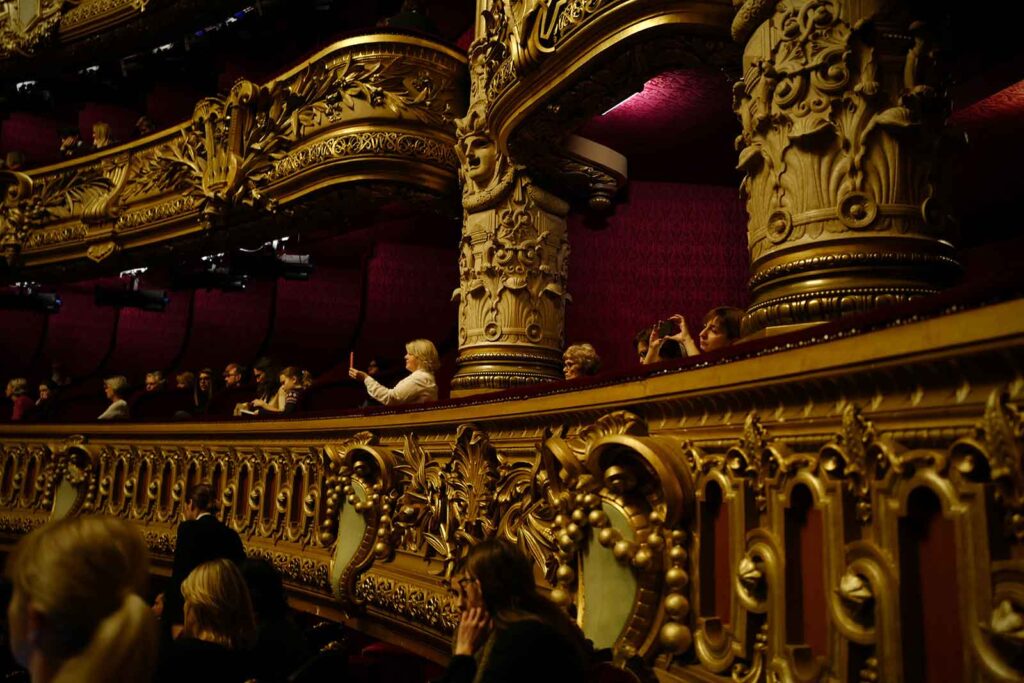
Throughout the history of opera, there have been many famous composers who have left a lasting mark on the genre. Wolfgang Amadeus Mozart, Giuseppe Verdi, Richard Wagner and Giacomo Puccini are just a few of the iconic composers whose masterpieces have been acclaimed around the world. Each of them has contributed to the evolution and legacy of opera with their unique style and innovative compositions.
Opera music is made up of several elements that combine to create an exciting and moving experience. These elements include arias, choruses, recitatives, and overtures. Arias are lyrical solos that allow singers to show their vocal ability and express the characters’ emotions. Choruses are parts sung by a group of singers and are used to represent the crowd or give strength and drama to a scene. Recitatives are spoken or sung sections in a more spoken style and are used to advance the plot and dialogue. Overtures are instrumental pieces played at the beginning of an opera and set the tone and theme of the work.
Opera has evolved and undergone significant changes in the modern era. Contemporary composers have taken the genre to new horizons, challenging conventions and exploring new forms of expression. Contemporary opera has incorporated elements of electronic music, experimental theater and multimedia to create innovative and bold experiences.
Opera music encompasses a wide range of styles and genres, from baroque opera to romantic opera and contemporary opera. Each style has its own characteristics and distinctive elements. Baroque opera is characterized by its vocal ornamentation and formal structure, while romantic opera focuses on emotions and complex characters. Contemporary opera has experimented with different styles and genres, fusing elements of classical music, jazz, rock and other popular genres.
Opera has spread throughout the world and has been adapted to various cultures and traditions. Each country and region has developed its own approach and style of opera, incorporating elements of its cultural and musical heritage. From Chinese opera to Russian opera to American opera, each tradition has its own history and distinctive characteristics.
Some of the most famous operas have been
- La Traviatta, composed by Verdi, a three-act opera based on Alexandre Dumas’ book “The Lady of the Camellias”
- The Magic Flute, composed by Mozart, whose plot takes place within a fairy tale, and which includes the aria “The Queen of the Night” in the second act
- La Boheme, composed by Puccini, developed in four acts, mixes comedy with drama and has one of the most iconic deaths in opera
- Carmen, composed by Bicet, is a four-act dramatic opera, starring a Gypsy and set in Seville in the 1800s.
- Madame Butterfly, composed by Puccini, initially written in two acts and reconstructed years later in three acts and based on a story by John Luther Long
- Aida, composed by Verdi, is a four-act work, with large choruses and stage effects.
- The Barber of Seville, composed by Rossini, and considered one of the masterpieces of comedy, which tells the adventures of a couple in love.
- Tristan und Isolde, composed by Wagner, a three-act musical drama considered one of Wagner’s most representative works.
Modern composition in opera has taken the genre to new horizons by pushing boundaries and exploring new forms of expression. Contemporary composers have experimented with new styles, techniques and themes to create innovative and challenging works. Contemporary music in opera has incorporated elements of electronic music, atonality and minimalism, breaking with traditional conventions and challenging audience expectations.
Works such as War and Peace by the Russian Sergei Prokófiev and written in 1946, Dialogues of Carmelites written in 1957 by Francis Poulenc, The Brief Life written by Manuel de Falla in 1913, or more recent works such as
Leonard Bernstein’s Mass (1971), which fuses conventional operatic elements with media such as dance and electronic music, are some of the representative works of contemporary opera.
Opera has left a lasting legacy in the history of music and art. Over the centuries, it has evolved and adapted to cultural and social changes, maintaining its relevance and emotional power. Opera continues to be a vibrant and exciting art form, combining music, theater and poetry to tell stories and convey emotions in a unique and moving way. As opera moves into the 21st century, it continues to explore new horizons and challenge established conventions, securing its place as a timeless art form.