



The city of Linfen, China, known as the “coal capital of the world,” where emissions from coal factories have caused an alarming rise in rates of lung cancer and other respiratory problems.
Dzerzhinsk, Russia, a major chemical center where chemical weapons were manufactured, a place where decades of toxic waste have left the water and soil saturated with dangerous substances. Residents have the lowest life expectancy in Russia.
The oil city of Port Harcourt in Nigeria is heavily polluted by oil spills and refinery emissions. Air and water pollution has caused increased rates of cancer, birth defects and other diseases.
The Agbogbloshie Landfill, Ghana, is the largest e-waste landfill in the world, a place where millions of tonnes of e-waste from around the world arrive each year and are processed by informal workers in dangerous conditions. Air, water and soil pollution at this landfill is extremely high, and has been associated with a number of health problems, including respiratory diseases, cancer and reproductive problems.
In Indonesia, the Citarum River is the main provider of water for the city of Jakarta, however, the river is heavily contaminated with industrial, agricultural and domestic waste. The water pollution in this river is so high that it has been declared a “dead zone”, which means that there is no aquatic life in it.
In Bangladesh, the Hazaribagh Tanneries are responsible for producing a large amount of leather for the international market, however, the tanning process generates large quantities of contaminants, such as chromium, which are toxic to human health and the environment. environment. The pollution in these tanneries is so high that it has been associated with a number of health problems, such as respiratory diseases, cancer and reproductive problems.
Pollution is not a new issue, but in recent years it has worsened drastically. Even if you don’t live near an industrial area or a big city, pollution travels through the air and water, so no place on the planet is safe.
From Chernobyl to unexpected places like Lake Karachay in Russia, exposure to harmful chemicals like lead, mercury, and persistent organic pollutants can cause serious illness and even reduce your life expectancy.
These are just a few examples of places where environmental pollution has reached dangerous levels. Long-term exposure to toxic substances in air, water and soil can lead to serious health problems such as cancer, birth defects, respiratory and cardiovascular diseases.
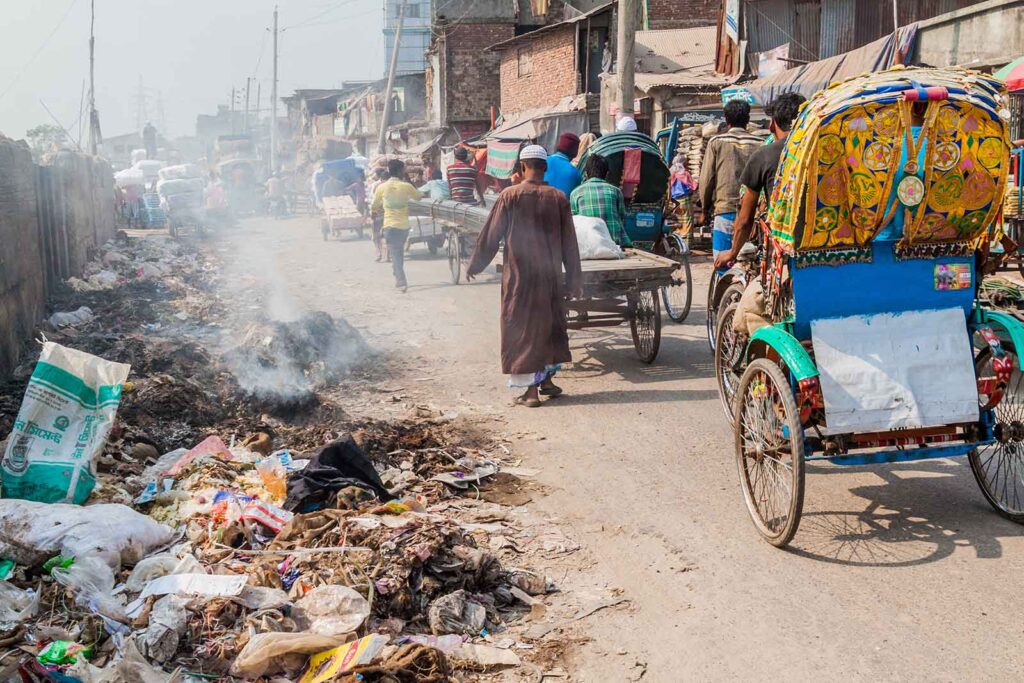
Environmental pollution is one of the biggest problems facing our planet today.
The Industrial Revolution brought with it factories and machinery that relied heavily on fossil fuels, releasing greenhouse gases and toxic chemicals into the air, water and land. Increased industrial production also generated more waste, leading to contamination of soil and groundwater.
The increase in population in cities, increasing the demand for housing, transportation and public services results in greater use of fossil fuels, generation of garbage and emissions of pollutants. Runoff of chemicals and trash into nearby bodies of water is also becoming more common.
Large-scale logging has a devastating impact on the environment, reducing carbon dioxide absorption and oxygen production from forests, deforestation contributing significantly to climate change, and destroying the habitat of many species. of plants and animals, and accelerating soil erosion.
These facts are just some of the main drivers of environmental pollution, the way we live will not prevent our planet from continuing to suffer the consequences of our actions.
Effects of Pollution on People’s Health and Wellbeing
Environmental pollution has significant effects on our health and well-being, when breathing polluted air, tiny particles can enter our lungs and irritate them, causing cough, shortness of breath and asthma. Long-term exposure to smog and other air pollutants has been linked to chronic heart and lung disease.
Air pollution can inflame your lungs and bronchi, making it difficult to breathe, with children and the elderly being especially vulnerable. Frequent exposure to pollutants such as sulfur dioxide and particulate matter can cause asthma, bronchitis, and emphysema. Pollution is also linked to heart diseases such as heart attacks and heart failure, as inhaled pollutants can enter the bloodstream, damaging blood vessels and causing atherosclerosis, leading to heart attacks, strokes and other circulatory problems. In addition, some pollutants such as benzene, formaldehyde and dioxins are known carcinogens, their prolonged exposure has been linked to lung cancer, non-Hodgkin lymphoma and leukemia. Some pollutants can cause genetic damage that is passed on to future generations.
Pollution affects virtually every aspect of our health, from our lungs and hearts to our DNA.
Consequences of Pollution on Ecosystems and the Environment
Pollution contributes to climate change by releasing greenhouse gases such as carbon dioxide and methane into the atmosphere. These gases trap heat from the sun and warm the Earth’s surface, causing rising temperatures, melting glaciers, rising sea levels and changes in weather patterns that threaten biodiversity.
Chlorofluorocarbons (CFCs) and other pollutants released by man are destroying the ozone layer, which protects the Earth from harmful ultraviolet rays, increasing the risk of skin cancer and cataracts, and even damaging crops and ecosystems. Agricultural runoff, industrial runoff, and plastic trash are polluting our rivers, lakes, and oceans, killing marine life, poisoning our food and drinking water supplies, and harming hunting and fishing. Microplastics have been found in almost every corner of the planet, from the bottom of the Mariana Trench to the top of Everest.
Pollution, combined with deforestation and climate change, is causing the sixth mass extinction of species on Earth, causing the loss of plant and animal species at an alarming rate, which threatens the balance of ecosystems and the loss of biodiversity.
In the coming years, human beings will face the enormous challenge of stopping all these processes, in order to avoid the unstoppable degradation that we will face if we continue acting as we are doing, the consequences that pollution can produce in the short term. and medium term, they will be terrible for the population of many places on our planet, let’s act, it is not too late.