


Clean or renewable energies are understood to be those obtained from inexhaustible natural sources, such as sunlight, wind, hydraulic energy, geothermal energy or tidal energy. These energies have a lower environmental impact than fossil energies, such as coal, oil or natural gas, since they do not produce greenhouse gases or other atmospheric pollutants and are considered the main solutions to slow down or stabilize the effects of change. climate caused by the emissions of carbon dioxide (Co2) and other polluting gases into the Earth’s atmosphere.
Renewable energies are not polluting and allow ecosystems to recover, increase the level of quality of life and reduce global warming. Likewise, they are sources that will help many countries achieve energy independence, by taking advantage of their natural resources for energy production through the sun, wind or water.
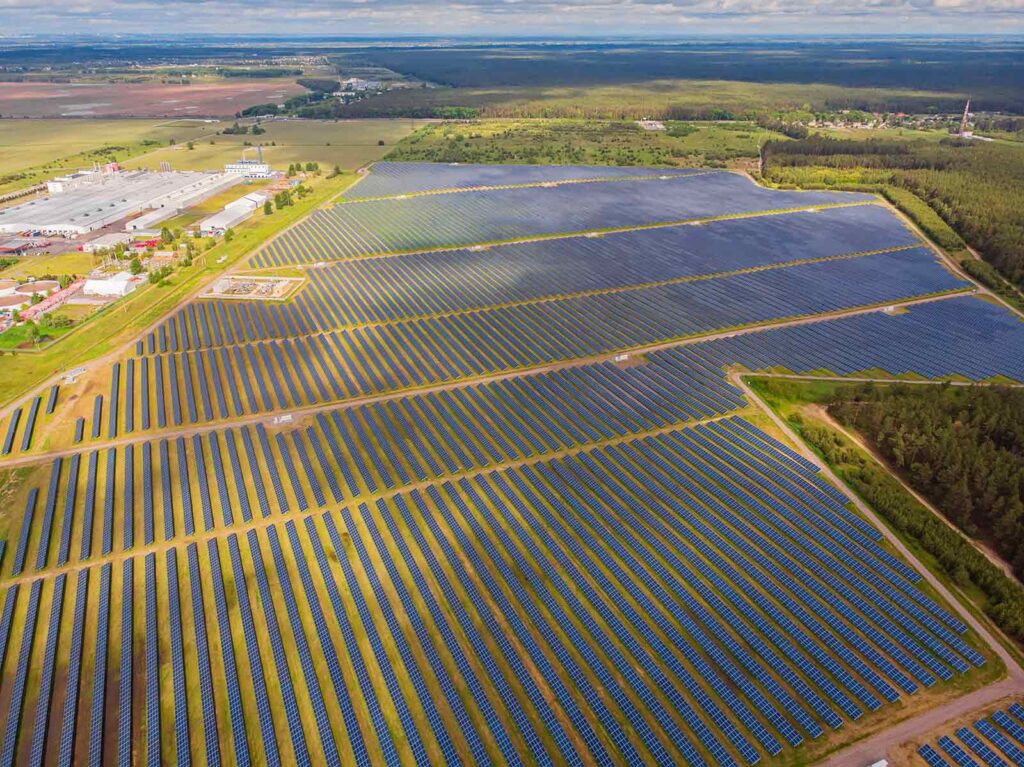
However, renewable energy can also have an impact on the landscape. The visual impact is the most obvious, since the infrastructure necessary to generate these energies, such as wind farms, solar panels or hydroelectric plants, normally require large areas of land, which can alter the perception of the landscape.
The visual impact of renewable energies can be positive or negative, depending on the location of the infrastructure, its design and its typology. In general, it is considered that the visual impact is lower in unpopulated areas or with little vegetation, and higher in areas with high landscape value. However, the construction of renewable infrastructure can alter natural habitats and hinder the migration of animal species, although in general, the impact on biodiversity is less than that produced by fossil energies.
Large wind turbines affect the landscape and the lives of animals, mainly birds, since the movement of their blades, due to their size and strength, can modify the conditions of atmospheric pressure, which can affect the flight of birds. .
Large reservoirs, for their part, can alter the natural landscape, aquatic and terrestrial ecosystems, as well as biodiversity, by reducing the flow of rivers due to the use of large volumes of water in production. energy, which can also affect the water tables and the quality of its waters.
Geothermal energy is the least impactful on the environment, however, it is also the one that is exposed to gas leaks such as carbon dioxide and contamination of the surrounding water, if problems occur in the capture process.
Biomass and compost, the first created from large-scale crops of biodegradable materials such as corn or beets and the second as a fertilizer composed of organic waste (grasses, household waste…), which, although they generate emissions in their production They do not do so in volumes considered important, and they can help in the production of energy in certain strategic sectors.
However, except for the generation of biomass, compost and energy generation taking advantage of geothermal resources, photovoltaic installations, wind turbines or hydrogen generators can significantly affect the landscape, ecosystems and biodiversity of the areas. areas in which they are installed.
In the case of photovoltaic installations, their impact on the environment is greater when they are installed in rural areas or natural settings, as these installations require large clear areas, altering the terrain and causing the loss of vegetation cover.
Likewise, in wind turbine installations, areas with great visual impact are normally necessary or idyllic, which, together with the large dimensions of the generating structures, cause a significant aesthetic impact on the natural environment of the ecosystems, requiring special care with the species. protected from the area and acoustic pollution, produced by the noise of these structures.
Now, taking a look at our environment, and at history, it is evident the location of structures located in non-urbanizable environments, with a considerable impact on the landscape, such as the Egyptian pyramids, the Chinese wall , or the Panama Canal, for this reason it is necessary to carry out an in-depth analysis of the cost-benefit that the implementation and the impact on the environment of the facilities necessary for the production of clean energy may entail.
Human beings, since their emergence on planet Earth, have modified the landscape to adapt it to their needs, extensive agriculture, factories, swamps, cities, modifying the face of the planet and even its health, in favor of progress and civilization. Thus, through detailed, serious and objective study, it is possible to convert barren and unproductive soils into areas capable of generating clean energy, with minimal environmental impact, respecting spaces protected for their landscape, natural or biological value.
To minimize the impact of renewable energy on the landscape, it is important to plan its location and design appropriately. In this sense, it is important to take into account the following factors:
- The landscape value of the area.
- The existence of protected natural habitats.
- Proximity to population centers.
- The weather conditions of the area.
In Spain, the legislation on renewable energies establishes a series of requirements to minimize their impact on the landscape. These requirements include, among others, the obligation to carry out an environmental impact study, the need to have authorization from the competent administrations and the obligation to compensate for the visual impact, assessing the landscape value of the area, the existence of protected habitats. and the proximity of population centers.
Renewable energies have a smaller impact on the landscape than fossil energies. However, it is important to plan its location and design appropriately to minimize its environmental impact to help protect the environment and ensure sustainable development of renewable energies, essential for the energy transition, reducing the effects of climate change, and the survival of the human species in the medium and long term future.