



Spain, with its natural wealth and biodiversity, is one of the most outstanding European countries in terms of its forest heritage. Spanish forests play a fundamental role in the conservation of biodiversity, carbon capture and the generation of rural employment. Aware of the importance of this resource, the Government has designed a Spanish Forest Strategy that charts the course of forest management in the coming years.
The Spanish Forestry Strategy is a document that establishes the master lines of action in the forestry sector for the coming years. This strategic plan aims to promote sustainable management of forests and guarantee their conservation and protection. Some of the fundamental pillars of this strategy include:
- Sustainable management; Sustainable forest management is a key priority in the strategy. Spain is committed to balancing the extraction of forest resources with the need to preserve the health of forest ecosystems. This involves promoting responsible forestry practices that ensure forest regeneration and species diversity.
- Fight against climate change; Forests play an essential role in the fight against climate change. The strategy seeks to increase the capacity of Spanish forests to capture carbon, through the expansion of forest areas and the promotion of sustainable forest management. In addition, it is intended to use forest resources as renewable raw materials to reduce dependence on fossil fuels.
- Biodiversity Conservation; The biological wealth of Spanish forests is immense, and the strategy is committed to protecting it. Measures will be promoted to conserve and restore forest habitats, as well as preventing the introduction of invasive species that could damage local biodiversity.
- Rural Employment Generation; The strategy recognizes the importance of forests in generating employment in rural areas of Spain. Training and employment programs will be promoted in the forestry sector, thus promoting the economic development of these regions.
- Research and Innovation; Science and innovation will play an essential role in the implementation of the strategy. Forestry research will be promoted, with the aim of developing new technologies and practices that improve forest management and conservation.
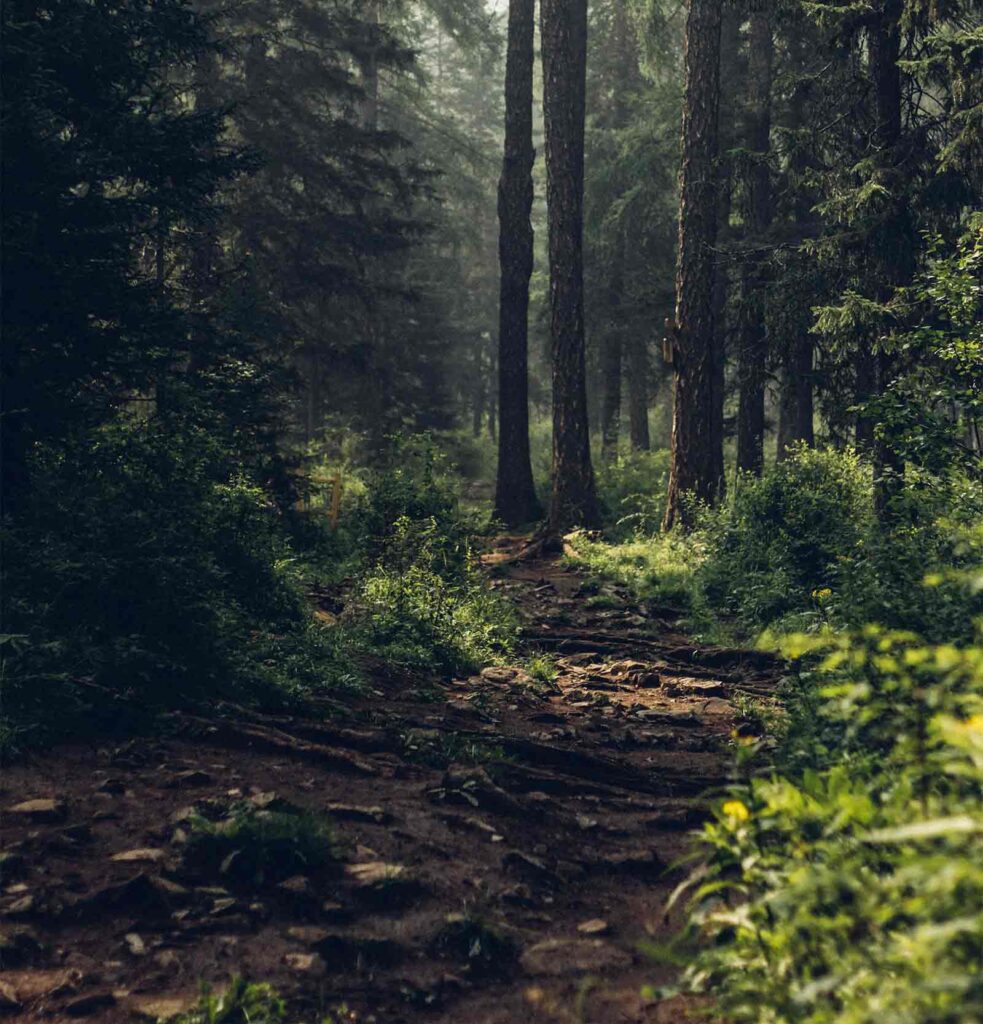
The main document “Spanish Forest Strategy”, drafted and approved for the first time in 1999, has evolved in recent years motivated by both scientific and technical advances, as well as social, environmental and political changes. that have occurred since then, the last being the one developed within the program included in the Recovery, Transformation and Resilience Plan drawn up by the Government of Spain, with the objective of fulfilling the 2050 agenda, with the achievement of having forests as a priority and managed forests, actively well conserved and protected from main threats such as forest abandonment, fires, diseases and pests, so that they provide the ecosystem goods and services necessary for our well-being and to make it possible for the economy to begin a necessary transition ecological, in a country where forest lands represent more than 50% of its land surface.
Thus, the Spanish mountains provide varied and important environmental and social services and support forests and other forest formations that contribute to the conservation of ecosystems and biodiversity, the creation and development of the soils on which they sit, water regulation, the fight against desertification and the improvement of water and air quality, in addition to being a carbon store and a reserve of renewable energy and providers of essential resources and services for the
life and well-being of citizens, constituting a source of employment and income in rural communities.
Since 1999, the wooded forest area has increased in Spain by almost 1.5 million hectares, mainly due to reforestation, afforestation of agricultural lands and natural regeneration, increasing carbon capture and storage and favoring the renaturalization of the territory. , reforestation policies are currently focusing on areas affected by forest fires, and areas with high risks of desertification and degradation of their lands, which must be accompanied by improvements in the management of forest spaces, promoting their care and improvement.
Although the Spanish Forest Strategy is an important step in the right direction, it faces various challenges in its implementation, one of the most critical challenges being the need for coordination between different administrations and sectors since the Forest management involves multiple stakeholders, from landowners and local communities to forestry companies and environmental organizations. Achieving consensus and effective collaboration between these parties will be crucial.
Climate change will in turn represent a major challenge in the coming years, as Spanish forests will face threats such as more intense and prolonged forest fires, as well as the proliferation of pests and diseases due to increased temperatures, and the designed strategy must address these threats effectively, promoting management practices that increase the resilience of forests.
However, despite these challenges, the Spanish Forestry Strategy also opens up a series of opportunities, thus the transition towards a greener and more sustainable economy offers a favorable framework for the development of responsible forestry activities and the creation of employment in rural areas. . Furthermore, biodiversity conservation and carbon sequestration are increasingly valued ecosystem services internationally, which could generate economic opportunities through the commercialization of carbon credits and certified forest products
The Spanish Forest Strategy is a solid commitment to the sustainable management of Spanish forests. By promoting responsible practices, protecting biodiversity and fighting climate change, Spain seeks to ensure that its forests remain a vital resource for future generations. However, the successful implementation of this strategy will require a joint effort from all sectors and constant attention to emerging challenges. The conservation and sustainable management of Spanish forests are essential for the well-being of society and the planet, and the Spanish Forest Strategy represents a step in the right direction towards a greener and more sustainable future.